What time of year is best for foundation repair in Colorado?
When considering foundation repair in Colorado, timing is crucial for optimal outcomes and cost-effectiveness. Different seasons present unique challenges and advantages for foundation work, so understanding the best time of year for these repairs is essential. This page explores the factors influencing the timing of foundation repair and offers guidance on choosing the most suitable season for your project.

Understanding Seasonal Considerations
Foundation repair in Colorado is influenced by the state's unique climate and geographical characteristics. Different seasons present varying challenges and advantages for foundation work, making it crucial for homeowners to understand the optimal timing for repairs. This page delves into the seasonal factors that impact foundation repair in Colorado and provides guidance on selecting the most suitable time for your project.
Soil Composition and Its Impact
Understanding the composition of the soil around your property is crucial for effective foundation repair. Different soil types, such as clay, sand, and loam, have varying levels of stability and moisture retention, which can influence the severity of foundation issues. This section explores how soil composition affects foundation stability and the importance of soil testing in determining the appropriate repair solutions.
Localized Climate Factors
While Colorado has a generally arid climate, localized weather patterns can significantly impact foundation health. Areas prone to heavy rainfall or snowfall may experience more frequent moisture-related foundation problems, while regions with high winds or seismic activity may face additional structural challenges. This section examines how localized climate factors influence foundation issues and the importance of tailoring repair strategies to specific environmental conditions.
Spring: Ideal Conditions and Considerations
Spring is typically considered an ideal time for foundation repair in Colorado, characterized by mild temperatures and moderate rainfall. As frozen ground thaws, it allows for easier excavation and access to the foundation. Increased soil moisture levels during spring can also help stabilize the soil around the home. Addressing foundation issues early in the season can prevent them from worsening during the wetter summer months.
Frozen ground thaws, facilitating easier excavation and access to the foundation.
Increased soil moisture levels stabilize the soil around the home.
Addressing foundation issues early in the season can prevent them from worsening during the wetter summer months.
Tip: Schedule repairs early in the season to avoid delays due to high demand for contractors.
Summer: Managing Challenges and Opportunities
Summer in Colorado presents its own set of challenges and opportunities for foundation repair. Dry soil conditions may facilitate certain repairs, but extreme heat can pose challenges for outdoor work and concrete curing. Additionally, contractors tend to be busier during the summer months, leading to potential scheduling delays.
Dry soil conditions facilitate certain repairs, but extreme heat can pose challenges for outdoor work and concrete curing.
Contractors tend to be busier during the summer months, leading to potential scheduling delays.
Tip: Plan ahead and communicate closely with your chosen contractor to ensure timely completion of the project.
Fall: Maximizing the Repair Window
Fall offers a prime window for foundation repair in Colorado, with cooler temperatures and reduced rainfall creating optimal conditions for construction work. The relatively dry soil makes excavation and stabilization easier, while cooler weather minimizes the risk of heat-related issues. Homeowners should take advantage of this opportune time to address existing foundation problems before the onset of winter.
Cooler temperatures and reduced rainfall create optimal conditions for construction work.
Relatively dry soil makes excavation and stabilization easier.
Cooler weather minimizes the risk of heat-related issues.
Tip: Schedule repairs during the fall to maximize the repair window and minimize potential weather-related delays.
Winter: Special Considerations and Limitations
Winter poses unique challenges for foundation repair in Colorado, including frozen ground, limited daylight hours, and potential weather-related delays. While minor repairs may be feasible, extensive projects are often postponed until spring or fall when conditions are more favorable. However, it's important to note that all types of foundation repair can be performed in winter with proper precautions and expertise.
Frozen ground, limited daylight hours, and potential weather-related delays pose challenges for repairs.
Extensive projects are often postponed until spring or fall when conditions are more favorable.
Tip: Consider the limitations of winter repairs and plan for more extensive projects during milder seasons.
Other Considerations: Contractor Availability, Budgeting, and Permitting in Colorado
In addition to seasonal factors, homeowners in Colorado should consider practical aspects when scheduling foundation repairs. Contractor availability may vary, so it's crucial to book services well in advance. Budgeting should also account for potential seasonal fluctuations in material costs and labor rates. Obtaining necessary permits for construction work should be factored into the project timeline and planning process.
Structural Assessment and Diagnosis
Before embarking on foundation repairs, it's essential to conduct a thorough structural assessment to identify the root causes of the problem. This section outlines the key steps involved in diagnosing foundation issues, including visual inspections, structural analysis, and soil testing. By accurately diagnosing the underlying issues, homeowners can implement targeted repair solutions that address the root cause of the problem and prevent future damage.
Preventive Maintenance Strategies
In addition to addressing existing foundation issues, proactive maintenance is essential for preserving the long-term stability of your home's foundation. This section discusses preventive maintenance strategies that homeowners can implement to mitigate the risk of foundation problems, such as maintaining proper drainage, landscaping practices, and regular inspections. By investing in preventive maintenance, homeowners can extend the lifespan of their foundation and minimize the need for costly repairs in the future.
Choosing the Right Time for Your Project
Selecting the best time for foundation repair in Colorado involves weighing various factors, including the nature of the issue and local climate conditions. By considering these factors carefully and collaborating with experienced professionals, homeowners can ensure efficient and effective completion of their foundation repair project, regardless of the season.
Foundation problems vary in severity, with some being minor and others posing serious risks. Homeowners can often live in a house with small foundation issues, but waiting too long to address major structural damage can lead to costly repairs, water intrusion, and safety hazards.
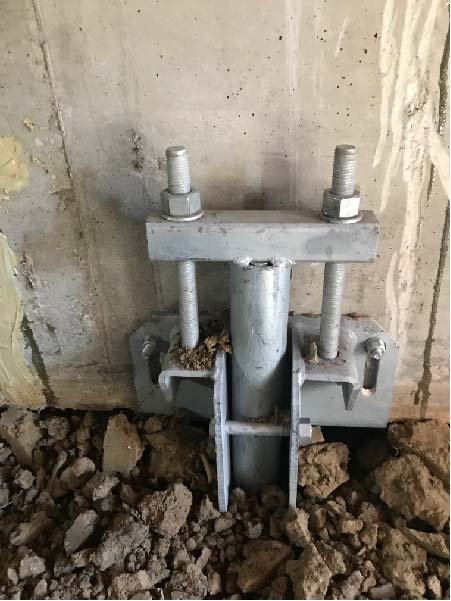
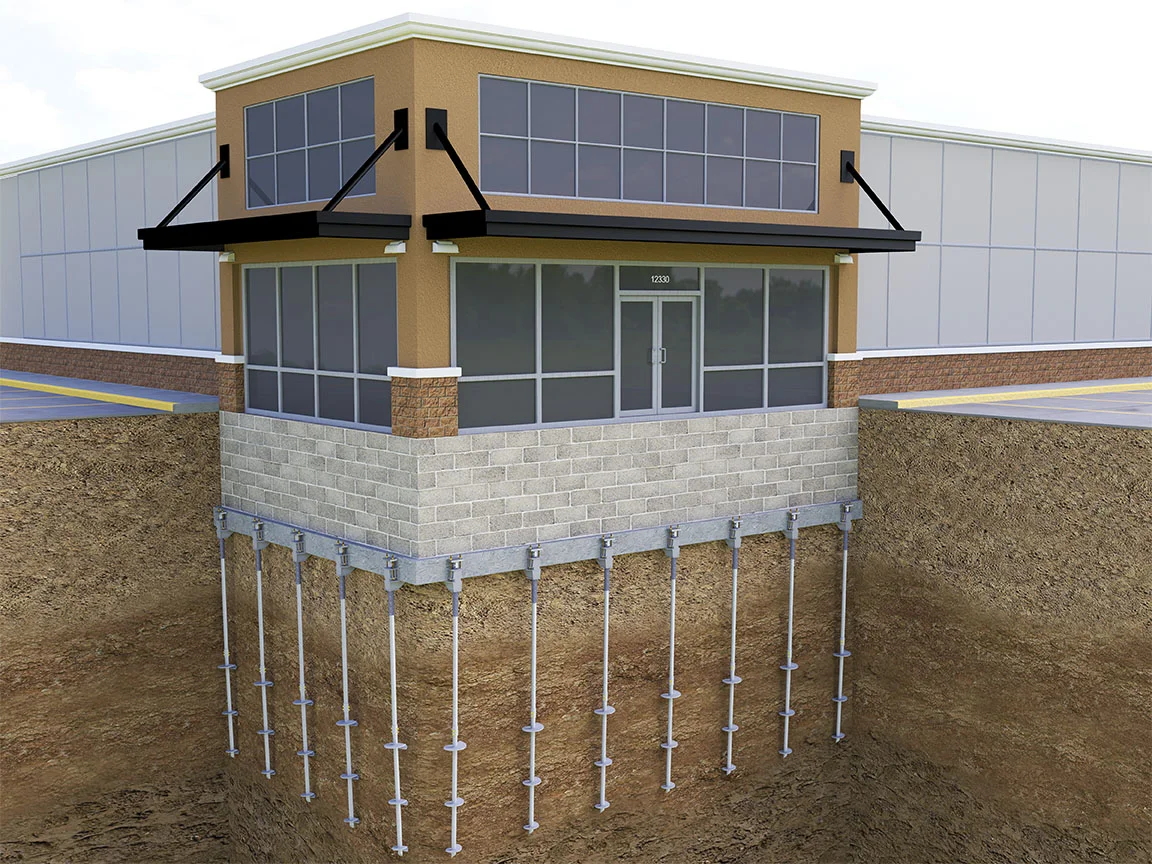
Helical piers are an effective solution for lifting and stabilizing homes that have settled due to soil movement or foundation issues. By anchoring deep into stable soil, they restore structural integrity, level floors, and prevent further damage.
Replacing a foundation under an older home is possible but requires expert planning, structural support, and careful execution. While the process can be complex and costly, it provides long-term stability, protects against structural damage, and can even add usable space.
Polyurethane foam may seem like a quick fix for foundation repair, but it fails within a few years, leading to costly removal and repeat repairs. Its environmental impact, lack of long-term stability, and high removal costs make it a poor choice compared to more durable solutions like helical piers or push piers.
A weak foundation can lead to structural damage, uneven floors, water intrusion, and decreased property value if left unaddressed. Recognizing early warning signs and seeking professional foundation repair solutions can help maintain long-term stability and protect your home.
When considering foundation repair in Colorado, timing is crucial for optimal outcomes and cost-effectiveness. Different seasons present unique challenges and advantages for foundation work, so understanding the best time of year for these repairs is essential.
Dealing with a crumbling foundation can be daunting, but with the right approach and professional assistance, it's often possible to address the issues and restore the structural integrity of the foundation.
Understanding the signs of foundation damage is crucial for homeowners to maintain the structural integrity of their properties. Foundation issues can manifest in various ways, from visible cracks in walls to uneven floors and doors that stick.
Foundation repair is a critical process for maintaining the structural integrity of your home. When faced with foundation issues, one of the most common questions homeowners have is, "How long will it take to repair?"
Owning an older home comes with its own set of joys and challenges, particularly when it comes to foundation issues. While every property requires upkeep, older houses often demand extra care due to their age.
Foundation piers play a critical role in preventing further settlement and maintaining the structural integrity of buildings, both residential and commercial. With proper installation foundation piers offer peace of mind and ensure the stability and durability of your home.
Foundation stabilization is essential for maintaining building integrity. Our guide provides an overview of various techniques, helping property owners make informed decisions to address their foundation repair needs effectively.
Understanding the type of foundation your house has is crucial in determining the feasibility of repair. Knowing when it's time to walk away and consider alternative options can save you time, money, and stress in the long run.
Foundation problems can escalate if left untreated, leading to significant structural damage and costly repairs. Understanding the potential consequences of ignoring foundation issues is essential for homeowners and property owners.
Are you noticing signs of potential foundation issues in your home or property? Understanding the common symptoms of foundation damage and the remedies available can help you assess whether foundation repair may be necessary.
Explore the 11 best foundation repair methods available today. Whether you're dealing with cracks, settling, or other forms of foundation damage, understanding these methods can empower you to make the right choice for your property's stability and longevity.
A sump pump system is one of the most effective ways to keep your basement dry and prevent water damage. Installed in a sump pit, it actively removes excess water caused by heavy rainfall, groundwater, or poor drainage, protecting your home from flooding and structural damage. When water levels rise, the pump automatically redirects moisture away from the foundation, preventing mold growth and long-term deterioration.
There are several types of sump pumps, including submersible, pedestal, battery backup, and water-powered models, each offering different levels of protection. A backup sump pump ensures continued operation during power outages, providing an additional line of defense against basement flooding. Regular sump pump maintenance—such as testing the float switch, clearing debris, and inspecting discharge pipes—helps ensure your system works when you need it most.
By installing and maintaining a sump pump system, homeowners can protect their basement, improve indoor air quality, and preserve the structural integrity of their home. Investing in the right waterproofing solutions ensures long-term protection against moisture-related problems.
A basement slab is a crucial component of many basement foundations, providing a solid, durable base for the home. Made of poured concrete, this type of foundation evenly distributes the structure’s weight while acting as a barrier against moisture and soil movement. Basement slabs offer benefits such as durability, moisture resistance, and cost-effectiveness, making them a popular choice for ground-level floors in basements. However, over time, issues like cracking, uneven surfaces, and water intrusion can arise, requiring proper maintenance and repair. Whether used for storage spaces or finished living spaces, a well-installed basement slab ensures a stable, long-lasting foundation for your home.
A sealed basement is essential for protecting your home from water damage, mold growth, and structural issues. In this post, we explore the importance of basement waterproofing and provide a step-by-step guide to help you seal your basement effectively. From preparing the area and applying waterproof coatings to addressing hydrostatic pressure with drainage systems and sump pumps, this guide covers all the essentials.
Learn about common challenges, such as standing water and cracks in basement walls, and offer tips for ensuring a clean and durable finish. While sealing a basement can be a DIY project, we explain when it’s best to call in a professional, especially for severe water intrusion or structural concerns. With the right approach, materials, and expertise, you can transform your basement into a dry, safe, and valuable part of your home.
Sagging floors are a common issue in homes, especially older ones, and can be caused by a variety of factors, including damaged floor joists, poor crawl space support, or foundation settlement. Left unaddressed, sagging floors can lead to structural problems, uneven surfaces, and difficulty opening doors and windows.
This post explores the common causes of sagging floors, such as moisture damage, pest infestations, and shifting soil, while highlighting signs to look for, including sloping floors and visible gaps between walls and floors. It also provides an in-depth look at repair methods, including reinforcing floor joists, installing support beams, and stabilizing foundations with helical piers.
Addressing sagging floors is not just about improving aesthetics—it’s about ensuring the long-term safety and stability of your home. When DIY solutions fall short, working with a trusted foundation repair company like Colorado Structural Repair can provide expert solutions tailored to your home’s unique needs. Taking early action can prevent further damage, save money, and restore the integrity of your home for years to come.
Bowing basement walls are a common issue caused by hydrostatic pressure, expansive soils, and poor drainage. Left unaddressed, they can lead to significant structural problems. Effective repair methods include wall anchors, helical tiebacks, carbon fiber straps, and wall braces, each designed to stabilize and reinforce foundation walls. Professional solutions not only fix the immediate issue but also prevent future damage, ensuring the long-term stability of your home. Proactive measures like improving drainage and maintaining proper grading can further protect your foundation from bowing walls.
We hear it all the time: “I think we may need HOLY-ICOILS, HELLYPIERS, HELL-IKAL… I don’t know.. I am SURE I am mispronouncing it.” Don’t sweat it. We’ve heard it all!
Helical Piers are known by many terms: screw piles, screw piers, helical piles, helical piers, helical anchors, etc.
To get technical, there are a few differences between helical anchors, helical piles and helical piers, although the terms are often used interchangeably. Helical anchors consist of an extendable steel shaft with helical bearing plates. Plies or piers refer to strong base elements that withstand or transfer vertical/horizontal loads. Anchors are piles utilized only in tension applications like restraining wall tiebacks or vertical ground anchors made to resist overturning forces.
Bottom line is that they are a ground anchoring system that is used in deep foundation work and should be professionally installed. Much like a screw being turned into wood, helical piers are screwed deep into the soil to lift and stabilize a structure, but not with a gigantic screwdriver. Various earthmoving machinery fitted with rotary hydraulic attachments and understanding the soil is the key.
1) Soil Movement – Any kind of motion in the earth can create fissures. Given long periods of time, it’s very common to see foundations crack from shifting. How much it shifts is dependent on many things including what type of soil your structure is built on. Depending on where your structure is located, it may be constructed on clay soil, sandy soil, loam soil. Cracks commonly occur in clay soils. Here in Colorado, we see a lot of expansive Bentonite clay soils. They will expand when they are wet and then when it’s hot, they’ll contract and develop crevices. Effect: This back-and-forth motion can lead to cracking and other foundation issues. Sandy soils are what are called “loose” soils. That’s because their particles are not densely packed together. As a result, they drain quite easily and don’t hold water. Loamy waters are “medium” weight soils that fall in between the other two types of soils. As a rule, expansive soils are the type that causes the most problems for property owners. If you do not know what type of soil your foundation is resting on, a soil engineer can test the soil to determine how expansive it is. It is important to remember that even an exceedingly small amount of movement can greatly affect your foundation.
Our homes have always been the foundation of our lives, but the importance of home and stability has become magnified this past year. Living in various degrees of lockdown has highlighted the importance of brightening and securing our sacred places. We have had to create and re-purpose spaces into home offices, school rooms, playgrounds and personal pubs.
We are re-arranging furniture and cleaning out dusty spaces because creating sanctuary and safety in times of change is sacred. We have forged stronger community connections, getting to know and help our neighbors better. This is how we thrive through these varying uncertain times.
There is a saying that everyone in real estate is taught from the beginning of their careers (CAVEAT EMPTOR). Which basically translates to “buyer beware.” Which brings me to a lesson learned the hard way.
Join leading Pier Support Specialist, Hank on a recent assessment at an investment property.
Let’s cover the four seasons and what happens each season to potentially affect the foundation of your home and at the end we will reveal exactly WHEN you should get work done.
1) Get multiple estimates - We recommend at least 3. Make sure you are looking at all variables when comparing estimates; look at the solution, the materials used, timeliness, methods and other factors that may differ. Be cautious of estimates that are too high or too low. Too often we see our competitors "bait and switch" where they come in with a low estimate to get the job and then make pricey changes after the work has started. Look for transparency and honesty.
2) Hire LOCAL, licensed contractors whenever possible. Local people are easier to contact if any concerns develops and they are more likely to be familiar with permitting and coding requirements specific to your area. Does the contractor have a local, physical address that you can visit? Swing by. Make sure it is not a fake or suspicious address. Ask them if they have done business under a different name in the past. Are they licensed? Do not be shy - ask for their license number. Know how to get in touch with them.
3) Check their past work. Read their online reviews. How has their work turned out in the past? How have they addressed issues? Inquire about their professional reputation with the BBB. A contractor with more than 5 years of experience is preferable. Cont….
Every now and then our clients draw attention to our reviews and how good they are. We are proud of the business we run and we take many steps to safe guard our reputation. One of the ways we do this is by having open lines of communication with our customers. If you, as a customer ever need to go online and complain it means that we have not done our job. We are only human, we make mistakes, just as we are fully prepared to fix them.
It is common knowledge in our industry that people sometimes pay for reviews. It is unfortunate but as a consumer it is easy to spot. Are all the reviews worded the same? They’re probably fake. Are all the reviews for a service (such as maintenance) that the contractor only performs as a secondary service? They’re probably fake. Are all the reviews within a realistic time-frame, is a lifetime warranty any good from someone with only 10 months of reviews? They’re probably fake.
Caveat emptor! Let the buyer beware! Are you signing a contract with a "services" company that will subcontract your business with someone you have not vetted? Your contract should be between you and the company doing the work, not a "sales consultant" who murks your warranty claims. Never let your main labor be subcontracted!
Very professional. Executed the work in a timely manner. Left he area clean and in good working order. I am happy with the work completed.
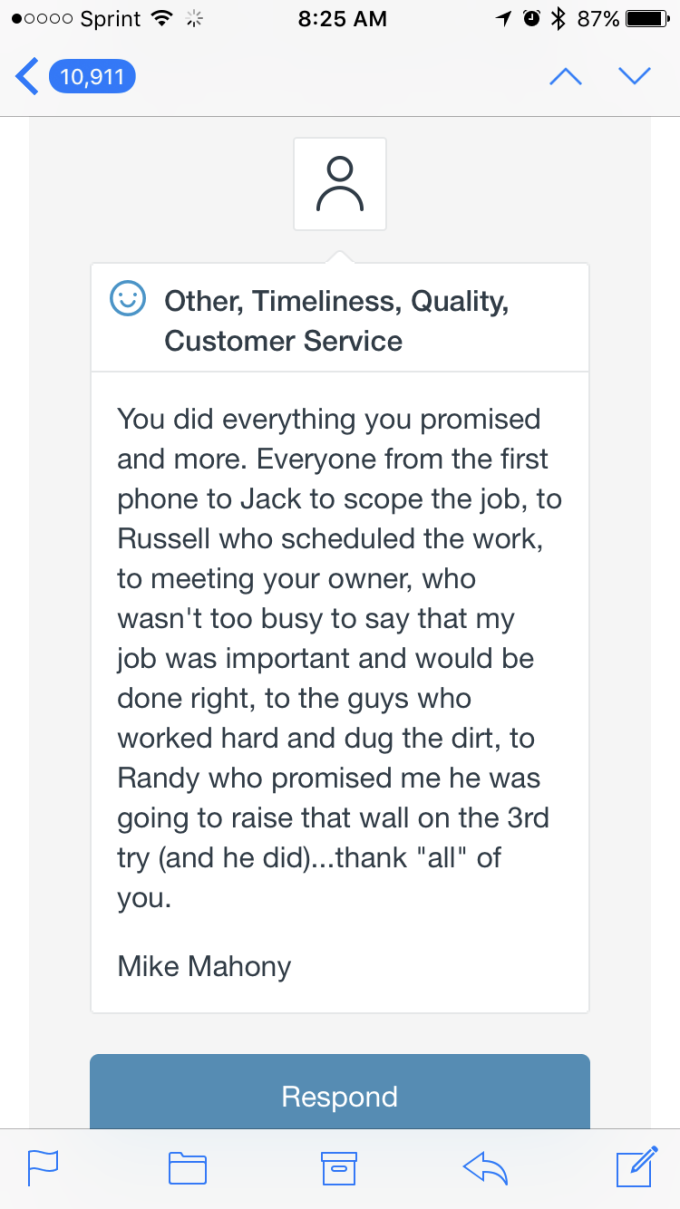
You did everything you promised and more. Everyone from the first phone (call), to Jack who scoped the job, to Russell who scheduled the work, to meeting your owner who wasn’t too busy to say that my job was important and would be done right, to the guys who worked hard and dug the dirt, to Randy who promised me he was going to raise that wall on the 3rd try (and he did)… thank you ‘all” of you. Mike Mahony
before hiring a contractor.
https://kdvr.com/2016/10/03/woman-says-contractor-took-her-money-and-left-a-big-mess/
Is your contractor going to replace your foundation drain? Is this included in your price? Are they going the extra mile for you like Colorado Structural Repair will?
Partner, mechanic and all round good guy Dan Stewart doing what he does best. We own and service all of our own vehicles and equipment as a way of keeping costs down which means homeowners pay less for foundation repair.