
How Do You Lift a House for Foundation Repair?
When a house settles due to foundation problems, lifting it back to its original position requires specialized foundation repair techniques. One of the most effective methods is using helical piers, which are designed to restore stability by transferring the weight of the structure to load-bearing soil. Unlike traditional foundation repairs that only address surface issues, helical piers provide a long-term solution by supporting and elevating the home’s foundation.

Why Do Homes Settle?
Foundation settlement occurs for several reasons, including soil movement, poor drainage, and structural issues. Some of the most common causes include:
Expansive clay soils that shrink and swell with moisture changes
Poor drainage leading to erosion under the foundation
Weak or unstable soil unable to support the weight of the structure
Aging foundation materials that deteriorate over time
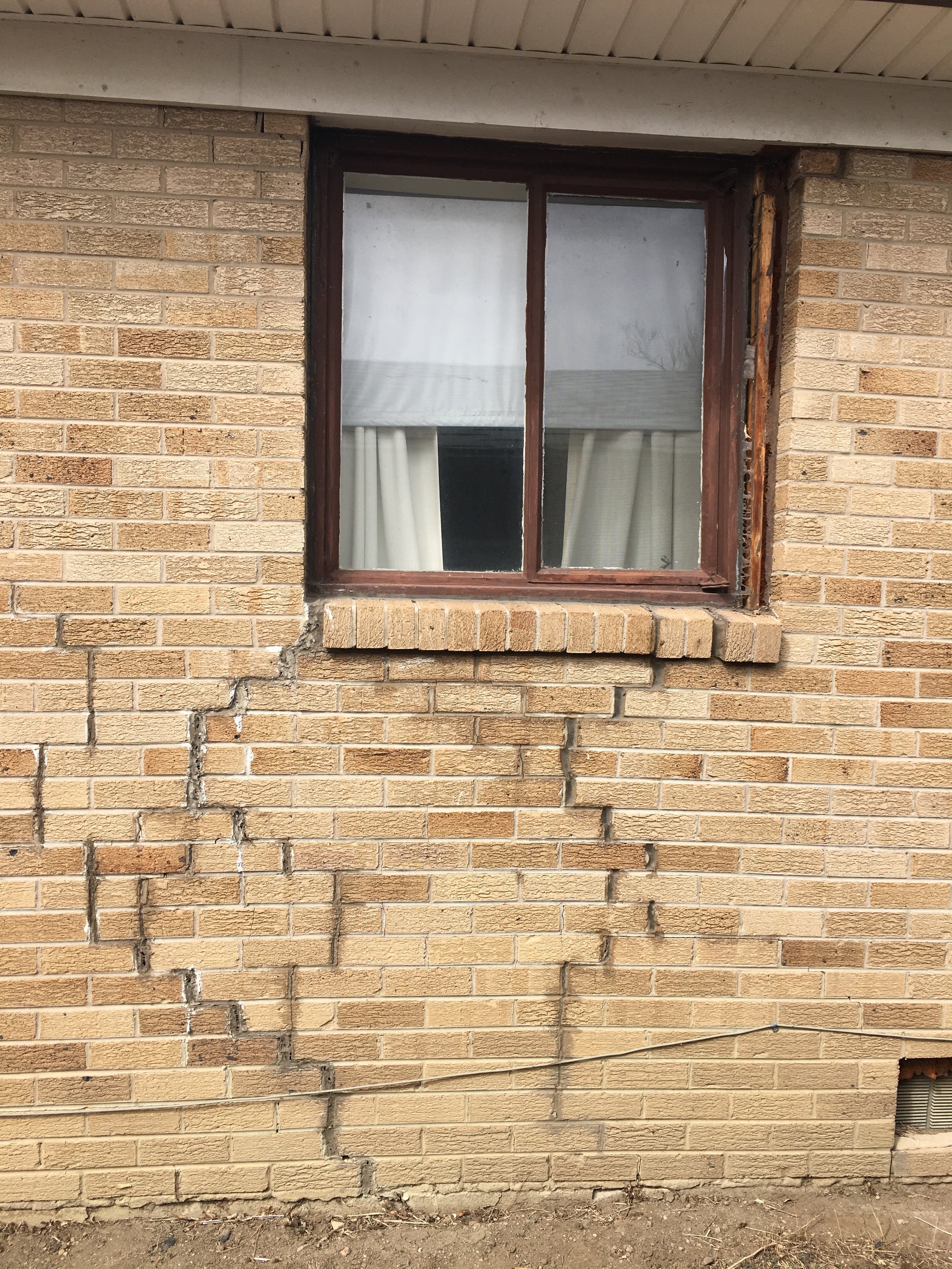
When the foundation shifts, it can cause uneven floors, cracks in walls, and misaligned doors and windows. If left unaddressed, these issues worsen and can compromise the structural integrity of the home.
How Helical Piers Lift a House
Helical piers are a reliable solution for lifting a home’s foundation. These steel shafts are screwed into the ground until they reach stable soil, providing the necessary support to raise and stabilize the structure. The installation process includes several steps:
Site Inspection – A foundation repair specialist assesses the severity of the settlement and determines the number of piers needed.
Pier Installation – Helical piers are installed deep into the ground using hydraulic equipment to reach stable soil.
Load Transfer – The weight of the house is shifted onto the piers, preventing further sinking.
House Lifting – The foundation is gradually lifted to its original position, closing cracks and leveling floors.
Final Adjustments – The piers are secured, ensuring the home remains stable for years to come.
Advantages of Using Helical Piers for House Lifting
Minimal Disruption – The installation process is quick and requires no extensive excavation.
Long-Term Stability – Piers are embedded deep into stable soil, preventing further foundation movement.
Versatile Application – Effective for residential homes, crawl spaces, and existing foundations.
Cost-Effective Solution – Unlike replacing the entire foundation, this method provides a more affordable repair option.
Signs Your Home May Need Helical Piers
If you notice any of the following, it may be time to consider foundation repair:
Uneven or sagging floors
Cracks in walls, ceilings, or foundation walls
Doors and windows sticking or not closing properly
Gaps between walls and ceilings or floors
Get Professional Foundation Repair Services
Restoring a home’s foundation is a complex process that requires professional expertise. At Colorado Structural Repair, we specialize in lifting homes using helical piers to correct foundation settlement and ensure long-term structural stability. If you suspect foundation issues, contact us today to schedule an inspection and discuss the best solution for your home.

Foundation problems vary in severity, with some being minor and others posing serious risks. Homeowners can often live in a house with small foundation issues, but waiting too long to address major structural damage can lead to costly repairs, water intrusion, and safety hazards.

Helical piers are an effective solution for lifting and stabilizing homes that have settled due to soil movement or foundation issues. By anchoring deep into stable soil, they restore structural integrity, level floors, and prevent further damage.

Replacing a foundation under an older home is possible but requires expert planning, structural support, and careful execution. While the process can be complex and costly, it provides long-term stability, protects against structural damage, and can even add usable space.

Polyurethane foam may seem like a quick fix for foundation repair, but it fails within a few years, leading to costly removal and repeat repairs. Its environmental impact, lack of long-term stability, and high removal costs make it a poor choice compared to more durable solutions like helical piers or push piers.

A weak foundation can lead to structural damage, uneven floors, water intrusion, and decreased property value if left unaddressed. Recognizing early warning signs and seeking professional foundation repair solutions can help maintain long-term stability and protect your home.

When considering foundation repair in Colorado, timing is crucial for optimal outcomes and cost-effectiveness. Different seasons present unique challenges and advantages for foundation work, so understanding the best time of year for these repairs is essential.

Dealing with a crumbling foundation can be daunting, but with the right approach and professional assistance, it's often possible to address the issues and restore the structural integrity of the foundation.

Understanding the signs of foundation damage is crucial for homeowners to maintain the structural integrity of their properties. Foundation issues can manifest in various ways, from visible cracks in walls to uneven floors and doors that stick.

Foundation repair is a critical process for maintaining the structural integrity of your home. When faced with foundation issues, one of the most common questions homeowners have is, "How long will it take to repair?"

Owning an older home comes with its own set of joys and challenges, particularly when it comes to foundation issues. While every property requires upkeep, older houses often demand extra care due to their age.
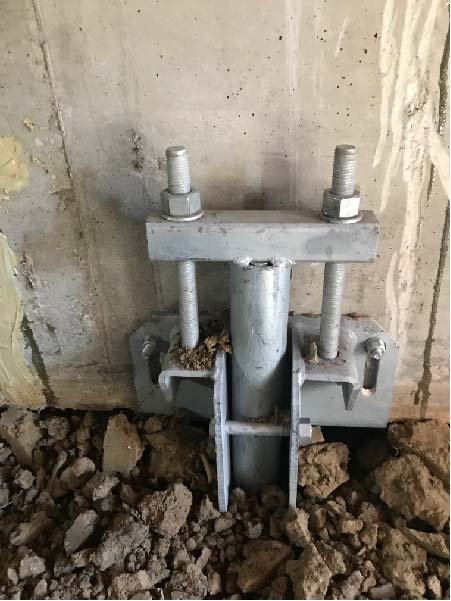
Foundation piers play a critical role in preventing further settlement and maintaining the structural integrity of buildings, both residential and commercial. With proper installation foundation piers offer peace of mind and ensure the stability and durability of your home.
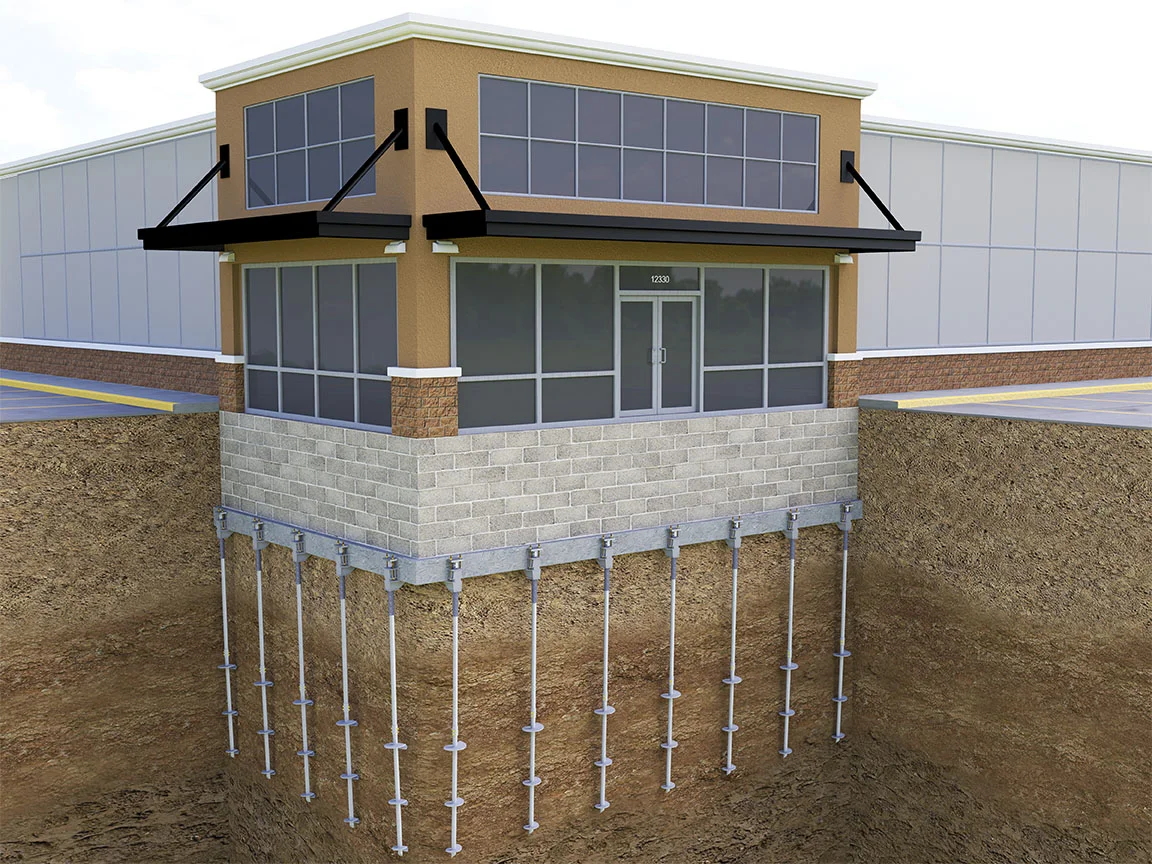
Foundation stabilization is essential for maintaining building integrity. Our guide provides an overview of various techniques, helping property owners make informed decisions to address their foundation repair needs effectively.

Understanding the type of foundation your house has is crucial in determining the feasibility of repair. Knowing when it's time to walk away and consider alternative options can save you time, money, and stress in the long run.

Foundation problems can escalate if left untreated, leading to significant structural damage and costly repairs. Understanding the potential consequences of ignoring foundation issues is essential for homeowners and property owners.
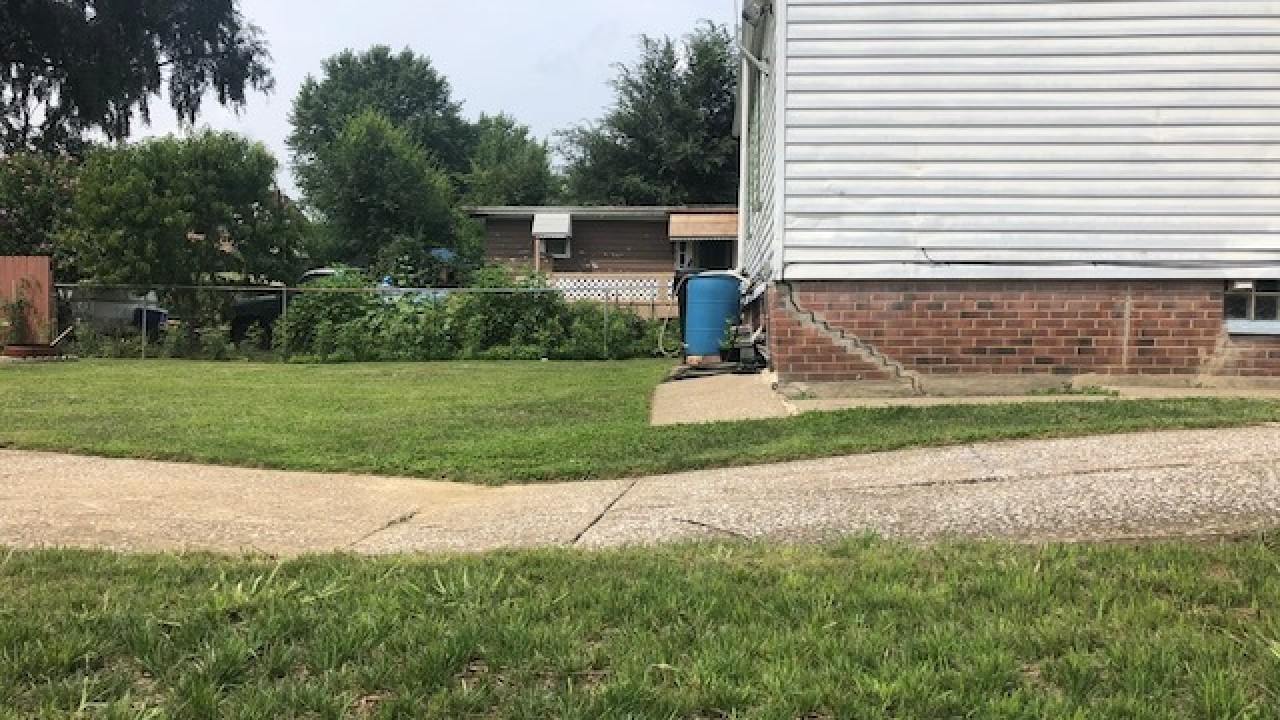
Are you noticing signs of potential foundation issues in your home or property? Understanding the common symptoms of foundation damage and the remedies available can help you assess whether foundation repair may be necessary.

Explore the 11 best foundation repair methods available today. Whether you're dealing with cracks, settling, or other forms of foundation damage, understanding these methods can empower you to make the right choice for your property's stability and longevity.

A sump pump system is one of the most effective ways to keep your basement dry and prevent water damage. Installed in a sump pit, it actively removes excess water caused by heavy rainfall, groundwater, or poor drainage, protecting your home from flooding and structural damage. When water levels rise, the pump automatically redirects moisture away from the foundation, preventing mold growth and long-term deterioration.
There are several types of sump pumps, including submersible, pedestal, battery backup, and water-powered models, each offering different levels of protection. A backup sump pump ensures continued operation during power outages, providing an additional line of defense against basement flooding. Regular sump pump maintenance—such as testing the float switch, clearing debris, and inspecting discharge pipes—helps ensure your system works when you need it most.
By installing and maintaining a sump pump system, homeowners can protect their basement, improve indoor air quality, and preserve the structural integrity of their home. Investing in the right waterproofing solutions ensures long-term protection against moisture-related problems.

A basement slab is a crucial component of many basement foundations, providing a solid, durable base for the home. Made of poured concrete, this type of foundation evenly distributes the structure’s weight while acting as a barrier against moisture and soil movement. Basement slabs offer benefits such as durability, moisture resistance, and cost-effectiveness, making them a popular choice for ground-level floors in basements. However, over time, issues like cracking, uneven surfaces, and water intrusion can arise, requiring proper maintenance and repair. Whether used for storage spaces or finished living spaces, a well-installed basement slab ensures a stable, long-lasting foundation for your home.

A sealed basement is essential for protecting your home from water damage, mold growth, and structural issues. In this post, we explore the importance of basement waterproofing and provide a step-by-step guide to help you seal your basement effectively. From preparing the area and applying waterproof coatings to addressing hydrostatic pressure with drainage systems and sump pumps, this guide covers all the essentials.
Learn about common challenges, such as standing water and cracks in basement walls, and offer tips for ensuring a clean and durable finish. While sealing a basement can be a DIY project, we explain when it’s best to call in a professional, especially for severe water intrusion or structural concerns. With the right approach, materials, and expertise, you can transform your basement into a dry, safe, and valuable part of your home.

Sagging floors are a common issue in homes, especially older ones, and can be caused by a variety of factors, including damaged floor joists, poor crawl space support, or foundation settlement. Left unaddressed, sagging floors can lead to structural problems, uneven surfaces, and difficulty opening doors and windows.
This post explores the common causes of sagging floors, such as moisture damage, pest infestations, and shifting soil, while highlighting signs to look for, including sloping floors and visible gaps between walls and floors. It also provides an in-depth look at repair methods, including reinforcing floor joists, installing support beams, and stabilizing foundations with helical piers.
Addressing sagging floors is not just about improving aesthetics—it’s about ensuring the long-term safety and stability of your home. When DIY solutions fall short, working with a trusted foundation repair company like Colorado Structural Repair can provide expert solutions tailored to your home’s unique needs. Taking early action can prevent further damage, save money, and restore the integrity of your home for years to come.

Bowing basement walls are a common issue caused by hydrostatic pressure, expansive soils, and poor drainage. Left unaddressed, they can lead to significant structural problems. Effective repair methods include wall anchors, helical tiebacks, carbon fiber straps, and wall braces, each designed to stabilize and reinforce foundation walls. Professional solutions not only fix the immediate issue but also prevent future damage, ensuring the long-term stability of your home. Proactive measures like improving drainage and maintaining proper grading can further protect your foundation from bowing walls.

We hear it all the time: “I think we may need HOLY-ICOILS, HELLYPIERS, HELL-IKAL… I don’t know.. I am SURE I am mispronouncing it.” Don’t sweat it. We’ve heard it all!
Helical Piers are known by many terms: screw piles, screw piers, helical piles, helical piers, helical anchors, etc.
To get technical, there are a few differences between helical anchors, helical piles and helical piers, although the terms are often used interchangeably. Helical anchors consist of an extendable steel shaft with helical bearing plates. Plies or piers refer to strong base elements that withstand or transfer vertical/horizontal loads. Anchors are piles utilized only in tension applications like restraining wall tiebacks or vertical ground anchors made to resist overturning forces.
Bottom line is that they are a ground anchoring system that is used in deep foundation work and should be professionally installed. Much like a screw being turned into wood, helical piers are screwed deep into the soil to lift and stabilize a structure, but not with a gigantic screwdriver. Various earthmoving machinery fitted with rotary hydraulic attachments and understanding the soil is the key.

1) Soil Movement – Any kind of motion in the earth can create fissures. Given long periods of time, it’s very common to see foundations crack from shifting. How much it shifts is dependent on many things including what type of soil your structure is built on. Depending on where your structure is located, it may be constructed on clay soil, sandy soil, loam soil. Cracks commonly occur in clay soils. Here in Colorado, we see a lot of expansive Bentonite clay soils. They will expand when they are wet and then when it’s hot, they’ll contract and develop crevices. Effect: This back-and-forth motion can lead to cracking and other foundation issues. Sandy soils are what are called “loose” soils. That’s because their particles are not densely packed together. As a result, they drain quite easily and don’t hold water. Loamy waters are “medium” weight soils that fall in between the other two types of soils. As a rule, expansive soils are the type that causes the most problems for property owners. If you do not know what type of soil your foundation is resting on, a soil engineer can test the soil to determine how expansive it is. It is important to remember that even an exceedingly small amount of movement can greatly affect your foundation.

Our homes have always been the foundation of our lives, but the importance of home and stability has become magnified this past year. Living in various degrees of lockdown has highlighted the importance of brightening and securing our sacred places. We have had to create and re-purpose spaces into home offices, school rooms, playgrounds and personal pubs.
We are re-arranging furniture and cleaning out dusty spaces because creating sanctuary and safety in times of change is sacred. We have forged stronger community connections, getting to know and help our neighbors better. This is how we thrive through these varying uncertain times.




There is a saying that everyone in real estate is taught from the beginning of their careers (CAVEAT EMPTOR). Which basically translates to “buyer beware.” Which brings me to a lesson learned the hard way.


Join leading Pier Support Specialist, Hank on a recent assessment at an investment property.

Let’s cover the four seasons and what happens each season to potentially affect the foundation of your home and at the end we will reveal exactly WHEN you should get work done.

1) Get multiple estimates - We recommend at least 3. Make sure you are looking at all variables when comparing estimates; look at the solution, the materials used, timeliness, methods and other factors that may differ. Be cautious of estimates that are too high or too low. Too often we see our competitors "bait and switch" where they come in with a low estimate to get the job and then make pricey changes after the work has started. Look for transparency and honesty.
2) Hire LOCAL, licensed contractors whenever possible. Local people are easier to contact if any concerns develops and they are more likely to be familiar with permitting and coding requirements specific to your area. Does the contractor have a local, physical address that you can visit? Swing by. Make sure it is not a fake or suspicious address. Ask them if they have done business under a different name in the past. Are they licensed? Do not be shy - ask for their license number. Know how to get in touch with them.
3) Check their past work. Read their online reviews. How has their work turned out in the past? How have they addressed issues? Inquire about their professional reputation with the BBB. A contractor with more than 5 years of experience is preferable. Cont….

Every now and then our clients draw attention to our reviews and how good they are. We are proud of the business we run and we take many steps to safe guard our reputation. One of the ways we do this is by having open lines of communication with our customers. If you, as a customer ever need to go online and complain it means that we have not done our job. We are only human, we make mistakes, just as we are fully prepared to fix them.
It is common knowledge in our industry that people sometimes pay for reviews. It is unfortunate but as a consumer it is easy to spot. Are all the reviews worded the same? They’re probably fake. Are all the reviews for a service (such as maintenance) that the contractor only performs as a secondary service? They’re probably fake. Are all the reviews within a realistic time-frame, is a lifetime warranty any good from someone with only 10 months of reviews? They’re probably fake.

Caveat emptor! Let the buyer beware! Are you signing a contract with a "services" company that will subcontract your business with someone you have not vetted? Your contract should be between you and the company doing the work, not a "sales consultant" who murks your warranty claims. Never let your main labor be subcontracted!


Very professional. Executed the work in a timely manner. Left he area clean and in good working order. I am happy with the work completed.
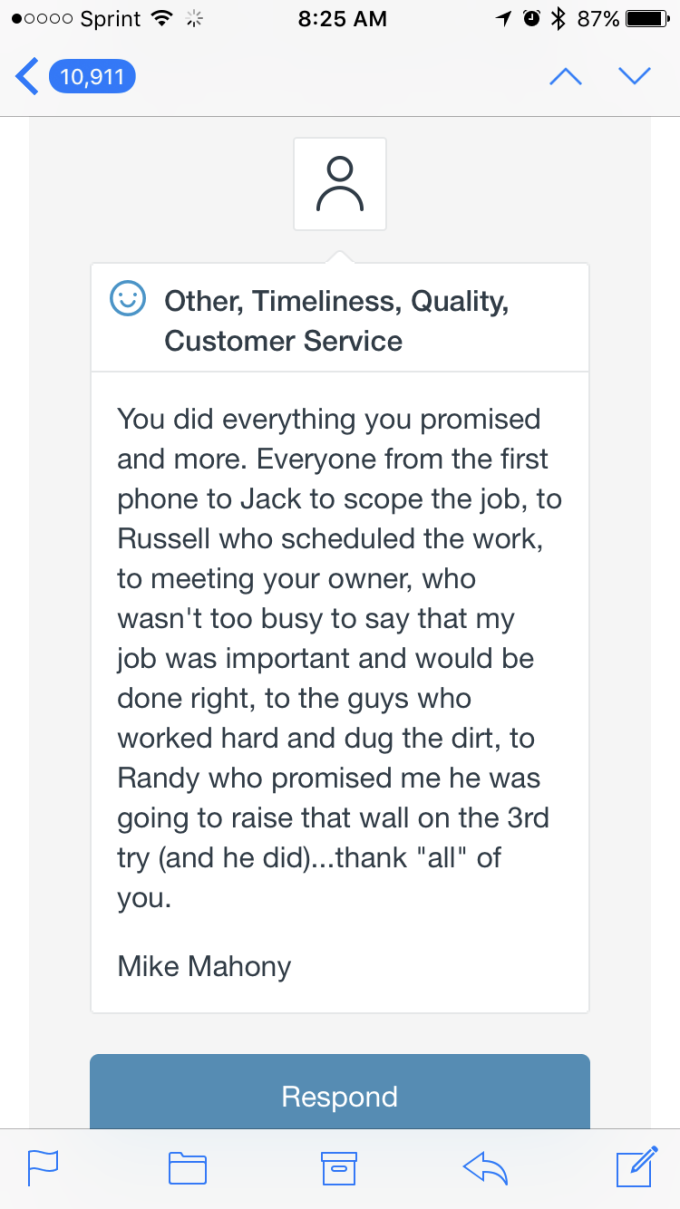
You did everything you promised and more. Everyone from the first phone (call), to Jack who scoped the job, to Russell who scheduled the work, to meeting your owner who wasn’t too busy to say that my job was important and would be done right, to the guys who worked hard and dug the dirt, to Randy who promised me he was going to raise that wall on the 3rd try (and he did)… thank you ‘all” of you. Mike Mahony

before hiring a contractor.
https://kdvr.com/2016/10/03/woman-says-contractor-took-her-money-and-left-a-big-mess/

Is your contractor going to replace your foundation drain? Is this included in your price? Are they going the extra mile for you like Colorado Structural Repair will?
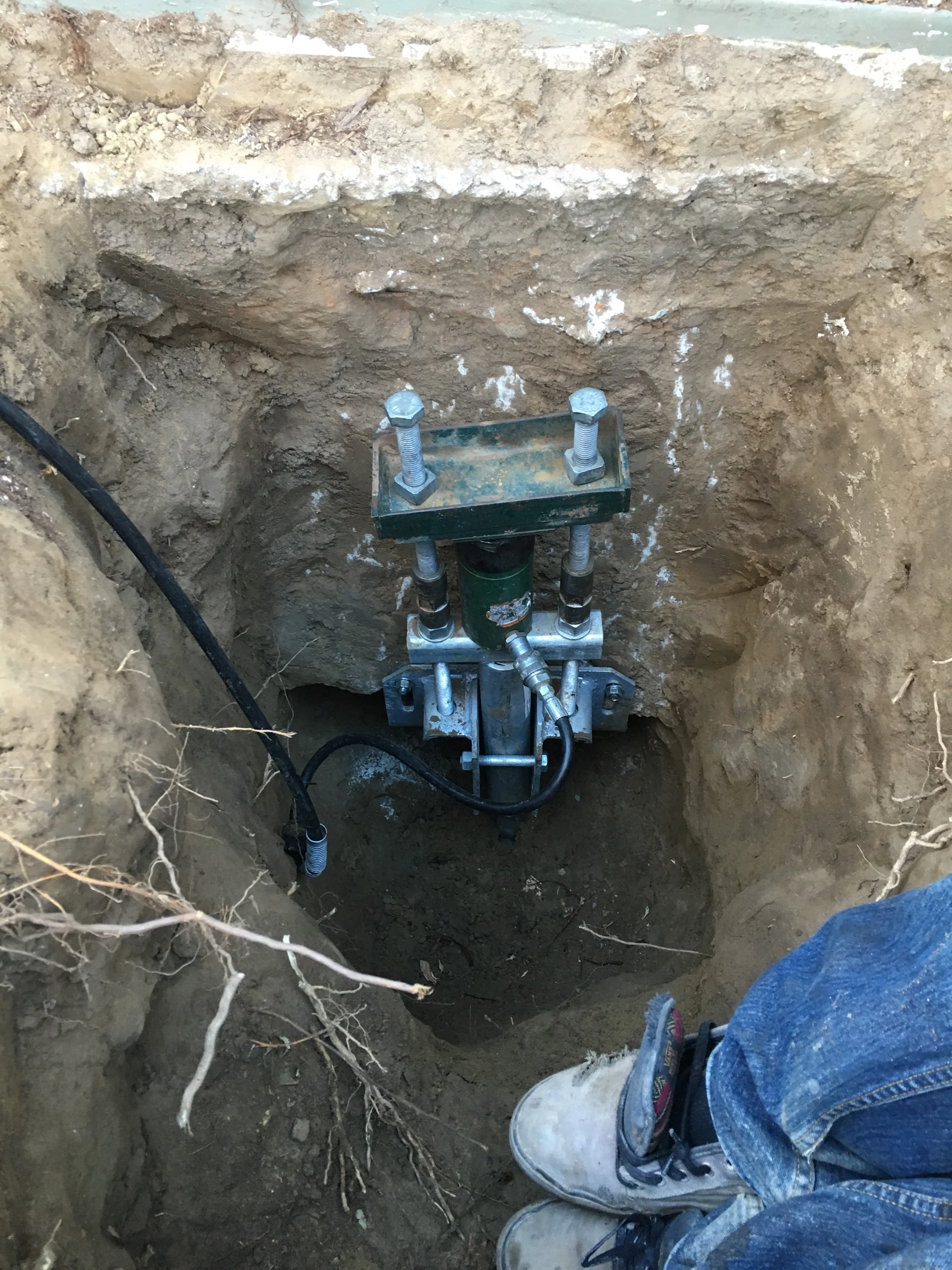

Partner, mechanic and all round good guy Dan Stewart doing what he does best. We own and service all of our own vehicles and equipment as a way of keeping costs down which means homeowners pay less for foundation repair.